You’ve probably sat down at a Mexican restaurant, taken one bite, and thought: “This doesn’t taste right.”
The chips were fine. The salsa was forgettable. The burrito was enormous — and somehow completely flavorless. You left full but not satisfied, with that vague feeling that something important was missing.
Here’s the truth: not every Mexican restaurant is the same. There’s a real difference between fast-casual Tex-Mex and food that’s genuinely rooted in the cooking traditions of Mexico. Once you know what to look for, you can spot an authentic restaurant before you’ve even placed your order.
This guide breaks it all down — the real signs of authenticity, what they actually mean, and why they matter every time you sit down to eat.
1. The Tortillas Are Made by Hand (Not Pulled From a Plastic Bag)
This is the single biggest tell.
In traditional Mexican cooking, the tortilla is the foundation — not an afterthought. Corn tortillas made from fresh masa (ground nixtamalized corn) have a completely different texture, flavor, and aroma than the pre-packaged flour tortillas most chain restaurants pull from a bag.
A hand-pressed corn tortilla is soft, slightly chewy, with a faint earthy sweetness. Moreover, you smell it the moment it hits the griddle. A packaged flour tortilla, by comparison, tastes like almost nothing.
At a truly authentic Mexican restaurant, tortillas are made fresh — either pressed on-site or sourced daily from a local tortillería. So if the restaurant serves tacos and the shells don’t have that warm, just-pressed quality, that’s your first red flag.
Additionally, UNESCO recognized traditional Mexican cuisine as an Intangible Cultural Heritage of Humanity, specifically noting that corn-based preparations — tortillas, tamales, masa — sit at the core of Mexico’s culinary identity.
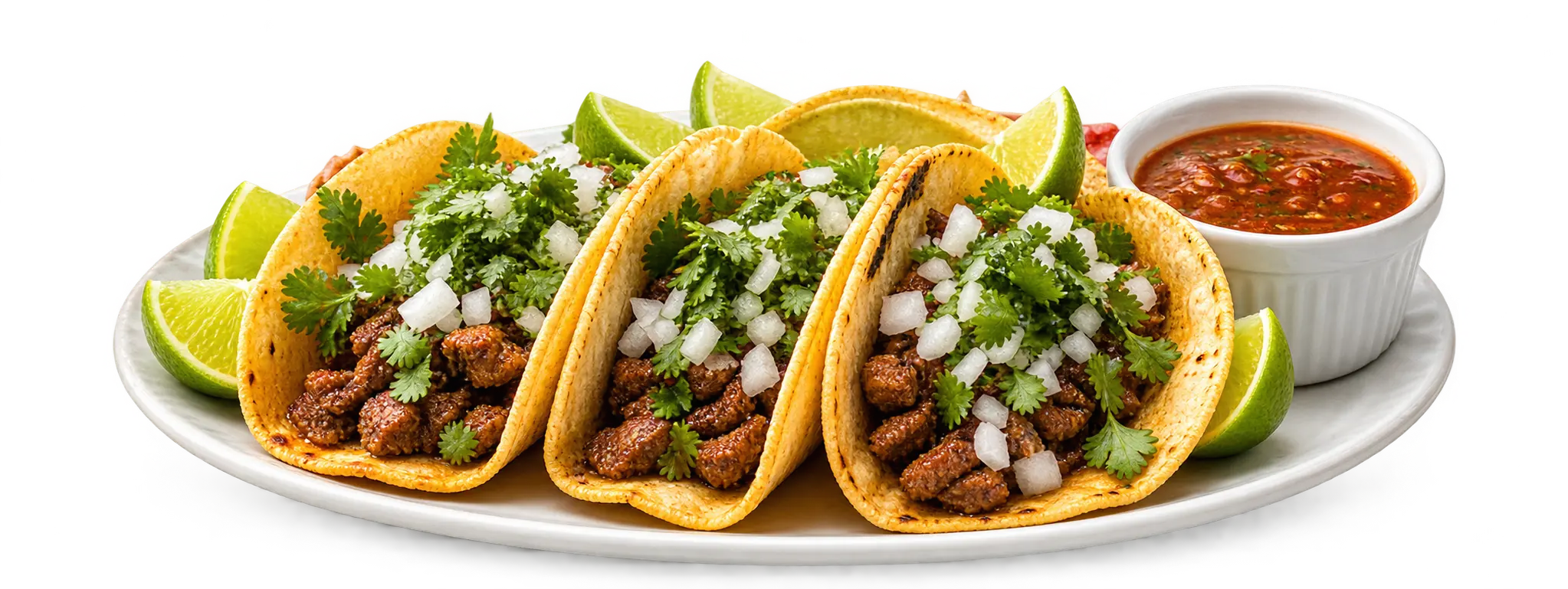
At Suy’s Mexican Restaurant in Tampa, every taco is served with fresh corn or flour tortillas, made to order. That’s not a selling point. It’s simply the way it’s supposed to be done.
2. The Salsa Is House-Made — Not From a Jar
You can tell a lot about a kitchen by what lands on the table before you even order.
House-made salsa has a specific character. It tastes bright, balanced, and layered — you can pick out the roasted tomatoes, the fresh cilantro, the heat from real chiles, and the sharpness of lime. Furthermore, it changes slightly from batch to batch. It has genuine personality.
Jarred salsa, however, tastes the same every single time: flat, vinegary, and thickened with something you can’t quite name.
Authentic Mexican kitchens prepare their salsas fresh — often roasting tomatoes and peppers first to develop deeper, smokier flavor. In fact, many offer multiple salsas (tomatillo verde, roja, smoky chipotle) because salsa variety reflects regional Mexican tradition, not a marketing decision.
If the chips arrive with a small bowl of thin, pre-made red sauce and nothing else, the kitchen is cutting corners from the very first course.
Therefore, exploring Suy’s full menu will show you the authentic dishes built around real, house-made flavors.
3. The Menu Reflects Mexico — Not Just Tex-Mex Stereotypes
Here’s something most people don’t realize: Tex-Mex is its own cuisine. It developed along the Texas-Mexico border and was shaped heavily by American tastes — nachos smothered in yellow cheese, hard-shell tacos, flour-heavy burritos the size of your forearm.
None of that is bad. However, it is not the same as food rooted in the actual culinary traditions of Mexico.
A truly authentic Mexican restaurant goes further. Specifically, its menu includes dishes you’d recognize in Jalisco, Oaxaca, or Mexico City:
- Birria — beef or goat slow-braised in dried chiles, spices, and aromatics for hours. Served as tacos or as quesabirria, with consommé for dipping. One of Mexico’s most culturally significant dishes, originating in Jalisco.
- Tamales — corn masa stuffed with savory meat, wrapped in corn husks, and slow-steamed. Labor-intensive and deeply traditional.
- Chilaquiles — crispy tortilla chips simmered in salsa verde or roja, topped with crema, queso fresco, and egg. A true Mexican breakfast staple.
- Huaraches — thick, oval-shaped masa cakes topped with beans, meat, and fresh toppings. Named for the sandal they resemble.
- Aguas Frescas — made fresh from real fruit: hibiscus, tamarind, melon. Not the same as powder-mix Jamaica from a jug.
- Caldo de Res — rich beef short rib soup with corn, carrots, and cabbage. Served every Tuesday at Suy’s.
At Suy’s Mexican & Latin American Restaurant, the menu goes well beyond the burrito-and-fajita template. You’ll find birria tacos, tamales, huaraches, flautas, and aguas frescas — dishes that belong on any table in Mexico.
When a restaurant’s entire menu is enchiladas, quesadillas, and burritos and nothing else, it’s built around American familiarity — not authentic tradition.
4. The Proteins Are Slow-Cooked and Properly Seasoned
Meat preparation is where authenticity lives or dies.
Traditional Mexican proteins aren’t just grilled. Instead, they’re marinated, slow-cooked, or braised to build layers of flavor that no sauce applied afterward can replicate. Here’s what that looks like in practice:
| Method |
What It Produces |
| Slow-braised birria (dried chiles + spices, 4–6 hours) |
Deep, rich, complex — natural fat renders into the broth |
| Al pastor (marinated pork on a vertical spit) |
Tangy, slightly sweet, charred at the edges |
| Carne asada (marinated, grilled to order) |
Bright, herbaceous, with real char marks |
| Carnitas (slow-braised in lard) |
Tender inside, crispy outside |
| Barbacoa (slow-cooked beef or lamb, often leaf-wrapped) |
Earthy, smoky, fall-apart |
When you eat a birria taco at Suy’s and dip it into the consommé, you’re tasting the result of hours of cooking — not a protein that spent the afternoon in a steam tray.
As a result, the National Restaurant Association’s dining trends report consistently finds that slow-cooked, traditionally prepared proteins drive customer satisfaction and repeat visits at authentic restaurants.
5. The Restaurant Serves Fresh Drinks — Not Just Soda
Most diners overlook this one entirely.
At a genuinely authentic Mexican restaurant, beverages are part of the food culture — not an afterthought fridge full of canned sodas. Traditional Mexican drinks include:
- Horchata — rice milk blended with cinnamon and sugar, served cold
- Hibiscus Agua Fresca (Jamaica) — steeped from dried hibiscus flowers, tart and deeply refreshing
- Tamarind Agua Fresca — tangy-sweet, tropical, unlike anything from a fountain machine
- Café de Olla — coffee brewed with cinnamon and piloncillo (raw cane sugar)
- Mexican Coke — made with real cane sugar; the flavor difference from the American version is immediate
When a restaurant makes these fresh — not from powder, not from concentrate — it shows the kitchen extends the same care to every single thing it puts in front of you.
Consequently, at Suy’s, aguas frescas and bebidas are made in-house daily. It comes up in Google reviews constantly — “You can taste the difference.”
6. It’s Family-Owned and Community-Rooted
This one is harder to quantify — but easy to feel the moment you walk in.
Authentic Mexican restaurants are almost always family-owned, and that ownership shows in the details. The recipes aren’t test-kitchen formulations. Rather, they’re family recipes, passed down and quietly adjusted over years. The service isn’t scripted hospitality training. Instead, it’s genuine warmth — because you’re essentially eating in someone’s home kitchen.
According to the National Restaurant Association, family-owned restaurants consistently outperform chains in food quality, customer loyalty, and cultural authenticity.
Suy’s Mexican Restaurant on MLK Boulevard in Tampa is exactly that — a family cooking for a community, not a franchise operating from a playbook. Every recipe on the menu came from somewhere real.
Read the full story →
7. The Breakfast Menu Is Real (Not Just Pancakes With a Mexican Flag)
Here’s a litmus test most diners never think to apply: look at the breakfast menu.
Traditional Mexican breakfast is its own cuisine — not just eggs with a drizzle of salsa on top. Real morning dishes include:
- Huevos Rancheros — fried eggs on corn tortillas, smothered in ranchera sauce
- Huevos con Chorizo — scrambled eggs with authentic Mexican chorizo (which is nothing like Spanish chorizo)
- Huevos a la Mexicana — eggs scrambled with tomato, onion, and jalapeño — the colors of the Mexican flag
- Chilaquiles — tortilla chips simmered in salsa until just soft, topped with egg and crema
- Café de Olla — cinnamon-spiced coffee brewed with raw cane sugar
Importantly, a restaurant that serves all of these — and makes them properly — is not cutting corners anywhere else on the menu either.
Suy’s serves the full traditional breakfast lineup: Huevos Rancheros, Chilaquiles con Pollo, Huevos con Papas, and more — every day from 11am.
8. Portion Size Reflects Generosity, Not Corporate Calculation
In authentic Mexican food culture, feeding people generously is an act of hospitality — not a margin calculation.
Real Mexican restaurants don’t serve tiny portions at inflated prices. Although chain restaurants engineer portions for profit, traditional spots serve generous plates because that’s simply how a proper meal is built.
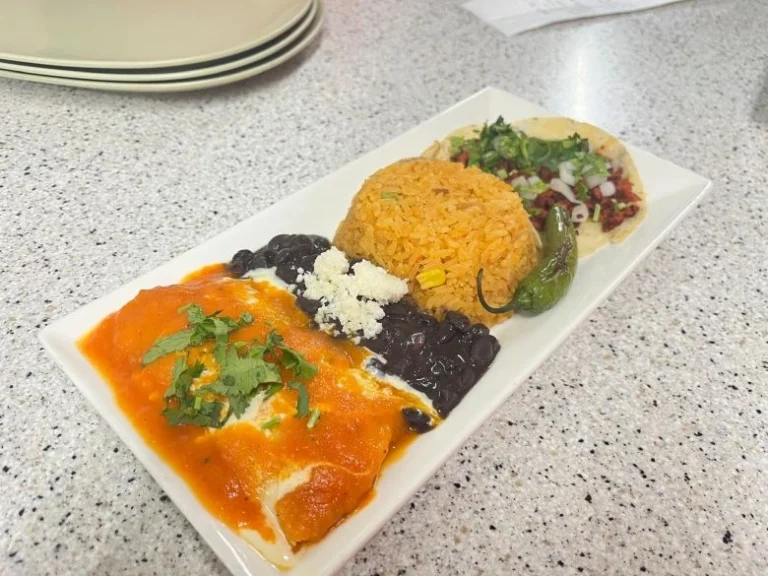
For example, Suy’s Lunch Specials — three tacos with rice and beans starting at $12.50, enchiladas with taco and sides for the same price — aren’t just affordable. They’re generously portioned and made from real ingredients. That combination is exactly why they’ve become Tampa’s most talked-about lunch deal.
9. The Kitchen Doesn’t Shortcut the Small Details
Authenticity lives in the details most diners don’t consciously register until they’re gone:
- Cilantro and white onion on tacos — not shredded lettuce and cheddar
- A lime wedge with everything — not bottled lemon juice
- Tortillas served warm — not cold from a microwave
- Queso fresco crumbled on top — not nacho cheese from a can
- Real crema — not sour cream in a squeeze bottle
- Pico de gallo made fresh — not spooned from a container
- Tamales wrapped in corn husks — not reheated in a plastic bag
Although none of these details make a headline, together they represent the difference between food made with intention and food made to meet a ticket time.
What This Means When You’re Choosing a Restaurant in Tampa
Tampa has plenty of Mexican food. A burrito on every corner, a drive-through on every boulevard.
However, if you want food that was actually made the way it’s supposed to be made — by people who learned these recipes from family, not from a training manual — the checklist above is how you find it.
Does the restaurant:
- ✅ Use fresh, hand-pressed tortillas?
- ✅ Make salsa in-house from real ingredients?
- ✅ Offer traditional dishes like birria, tamales, huaraches, and aguas frescas?
- ✅ Slow-cook their proteins properly?
- ✅ Run a family-owned operation with real community roots?
- ✅ Serve a traditional breakfast done right?
- ✅ Give you generous, honestly priced portions?
At Suy’s Mexican Restaurant in Tampa, every one of those boxes is checked — every day, for every plate.
1910 W M.L.K. Jr Blvd, Tampa, FL 33607 · Open Daily 11am–9pm
Order Online Now → View Full Menu → Find Us on Google Maps →
Frequently Asked Questions
What is the difference between authentic Mexican food and Tex-Mex? Tex-Mex is a fusion cuisine that developed along the Texas-Mexico border and incorporates American ingredients like yellow cheddar, flour tortillas, and large burritos. In contrast, authentic Mexican food uses traditional techniques — corn masa, dried chiles, slow-cooked proteins, fresh herbs — rooted in Mexico’s regional culinary traditions.
What makes birria tacos authentic? Authentic birria is slow-braised for 4–6 hours using dried chiles (guajillo, ancho, pasilla), spices, and aromatics. Subsequently, it’s served in a corn tortilla dipped in consommé and seared on a comal. The consommé is served on the side for dipping. Suy’s makes birria the traditional way — order birria tacos here.
How do I know if Mexican food is made fresh? Look for tortillas that are warm and soft (not packaged and cold), salsa with visible fresh herb and tomato flecks, and proteins that have real texture and depth. Additionally, a kitchen that smells like it’s actively cooking is always a good sign.
Does Suy’s Mexican Restaurant take online orders? Yes. You can order online here for pickup or dine-in. Furthermore, Suy’s is open every day from 11am to 9pm at 1910 W M.L.K. Jr Blvd, Tampa, FL.
Related Reading

 Offer
Offer
 Lunch Special
 Featured
 Popular