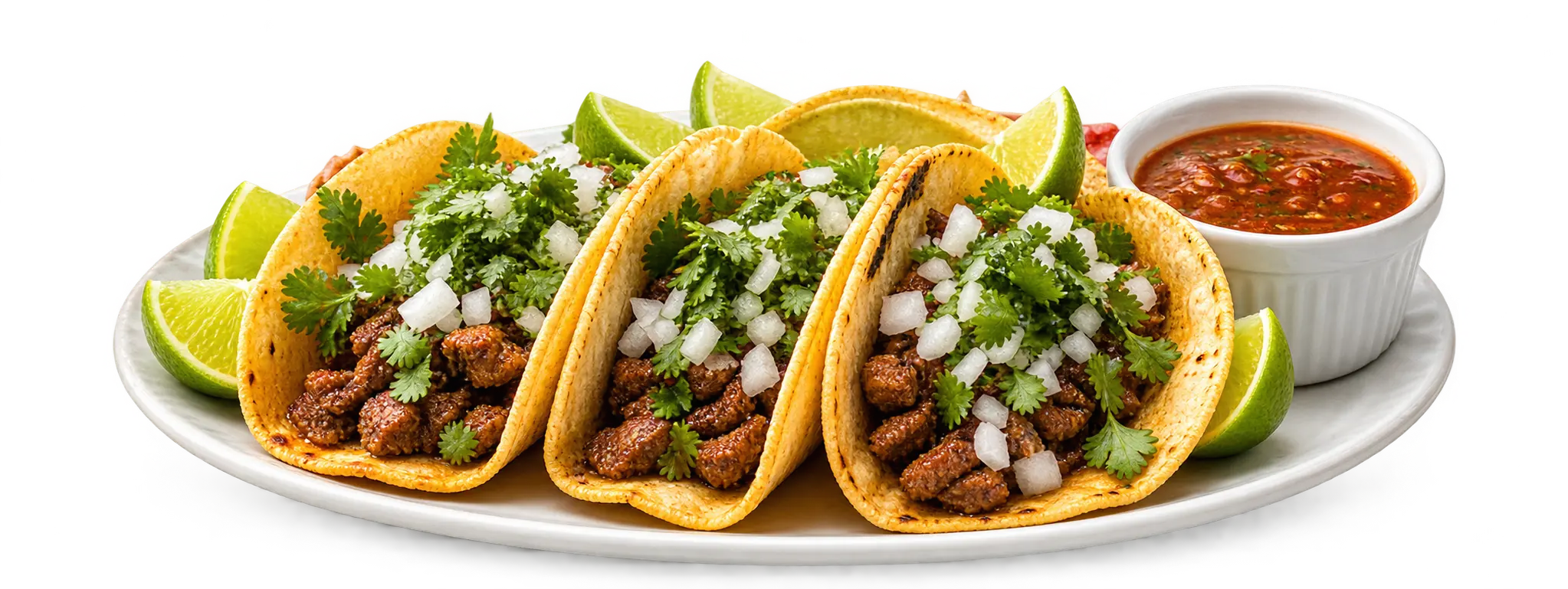
There is no single dish called “a taco.” There is al pastor, slow-rotisserie pork with pineapple and dried chili. There is birria, a Jalisco braise so deep it’s become a global obsession. There is crispy suadero from Mexico City, and bright Baja fish tacos that taste like the Pacific. Each of these is a taco. None of them tastes anything like the others. If you’re looking for the best authentic Mexican tacos in Tampa, FL, you’ve come to the right place — and the right restaurant.
Why “Taco” Is Not One Dish — It’s an Entire Culinary Category
The word “taco” simply means a tortilla wrapped around a filling. That definition is almost offensively broad — which is exactly the point. Within that framework, Mexico has built an entire culinary universe, centuries deep. The fillings change by region, by season, by time of day, and by who is cooking. The tortilla shifts from corn to flour depending on where you stand in the country.
What unites every taco is the structure: a warm, pliable vessel that brings everything together without getting in the way. The tortilla is not the star — it is the stage. UNESCO recognized traditional Mexican cuisine as an Intangible Cultural Heritage of Humanity in 2010, and the taco sits at its very center.
When someone tells you they don’t like tacos, they simply haven’t met the right one yet. That’s the problem we solve every day at Suy’s Mexican Restaurant — read our story here.
Types of Authentic Mexican Tacos: Al Pastor, Birria, Carnitas, Suadero & Pescado
Understanding the varieties is understanding Mexican culinary geography. Each taco variety below is a tradition, not just a menu item.
Al Pastor Tacos — The Mexico City Classic
Al pastor is Mexico City’s great gift to the taco world. Pork is marinated in a blend of dried chilies, achiote, spices, and pineapple, then stacked on a vertical trompo — a technique borrowed from Lebanese shawarma brought to Mexico in the 1930s. Smithsonian Magazine traces the Lebanese-Mexican fusion behind al pastor’s origin story in detail. The result is simultaneously crispy and tender, smoky and sweet. When done right, it is one of the most perfect bites in all of food.
💡 At Suy’s, our al pastor marinates for a full 24 hours before it ever touches the trompo. Flavor cannot be rushed.
Birria Tacos — Jalisco’s Gift to the World
Birria began as a Jalisco goat stew, slow-braised with a complex sauce of dried chilies, herbs, and spices until the meat surrenders completely. It evolved into beef in many kitchens, then into the now-famous birria taco — dipped in consommé, crisped on a comal, served with broth on the side for dipping. It is messy, glorious, and absolutely worth every napkin. You can order our birria tacos in Tampa directly from our menu — dine-in or online.
Carnitas Tacos — Michoacán’s Slow-Cooked Masterpiece
Carnitas are Michoacán’s contribution to the taco canon — pork cooked low and slow, often in its own lard, until impossibly tender, then crisped at high heat for contrast. Different cuts are cooked together: each contributing fat, collagen, and flavor to the whole. The result is a taco with complexity that takes an entire day to build.
Baja Fish Tacos — Where Mexico Meets the Pacific
Baja California’s answer to landlocked taco culture: battered or grilled fish, fresh cabbage slaw, pico de gallo, and a drizzle of crema on a warm corn tortilla. Light, bright, and completely addictive. The Baja fish taco is one of Mexico’s greatest culinary exports — and the original, made properly, is better than any imitation you’ve had anywhere else.
Regional Taco Identity: Mexico City vs Jalisco vs Baja California
Tacos are not uniform across Mexico. They carry the DNA of the region that created them, and understanding where a taco comes from is part of understanding what it means.
Mexico City runs on tacos. The taquería is open all hours. The trompo never stops spinning. CDMX tacos are small, doubled on corn tortillas, and finished simply — onion, cilantro, and salsa. No cheese. No sour cream. No interference.
Jalisco treats tacos as celebration food. Birria is served at weddings, baptisms, and family gatherings. The consommé is not a side — it is half the experience.
Baja California follows the coastline. Fish and shrimp tacos, fresh tortillas, crunchy toppings — lighter, brighter, and built around the ocean. If you’ve only had a Baja fish taco at a chain restaurant, you’ve only read the title of the book.
Corn vs Flour Tortilla: The Taco Debate That Actually Matters
This is not a neutral topic. Corn tortillas are the original — made from nixtamalized masa, an ancient Mesoamerican corn-processing technique that transforms dried corn into something extraordinary. They carry a flavor, texture, and cultural weight that flour cannot replicate.
Flour tortillas are the norm in northern Mexico — Sonora, Chihuahua, Sinaloa — where wheat cultivation took hold after Spanish colonization. Softer, stretchier, better for the larger, heartier tacos of the north. A Sonoran taco on a fresh flour tortilla is its own magnificent thing.
The right tortilla depends entirely on what it carries. A great taco restaurant knows this. We make fresh corn masa in-house daily. We do not pick one and ignore the other — we match the vessel to the filling with the care the dish deserves.
The Perfect Taco Topping Formula (And What Never Belongs)
A great taco needs very little on top. The filling is the point. The classic formula: finely diced white onion, fresh cilantro, a squeeze of lime, and a spoonful of salsa. That is the standard by which all tacos are measured.
From there, variations earn their place through function: guacamole on carnitas, pickled red onion on cochinita pibil, cabbage slaw on fish tacos, consommé for dipping birria. Each addition does something specific — adds acid, crunch, freshness, or heat.
What does not belong: shredded iceberg lettuce, orange cheddar, sour cream, or anything that arrives pre-packaged in a kit. These are apologies for a taco that wasn’t good enough on its own.
How We Make Our Tacos at Suy’s — Authenticity You Can Taste in Tampa
At Suy’s Mexican Restaurant, located at 1910 W MLK Jr Blvd, Tampa, FL 33607, we make tortillas from masa we prepare in-house. We marinate our al pastor for 24 hours before it touches the trompo. Our birria braises overnight — not because we have to, but because the collagen in the meat needs that time to dissolve into something extraordinary, and there is no shortcut that produces the same result.
We serve our tacos small and honest. Two tortillas, the right filling, the right salsa, onion, cilantro, and lime on the side. View our full Tampa Mexican menu here — including our authentic lunch specials served daily.
Every variety on our menu exists because we are genuinely obsessed with it — because we have eaten it in the places it comes from, studied the traditions behind it, and committed to bringing it to your table at the level it deserves. Learn more about our story and mission.
Frequently Asked Questions About Authentic Mexican Tacos
What is the difference between al pastor and carnitas?
Al pastor is marinated pork cooked on a vertical trompo spit, producing a crispy, smoky, spiced result with hints of pineapple sweetness. Carnitas is pork slow-braised in its own fat, then crisped for texture — richer, fattier, and deeply savory. Both are iconic. Both are on our menu.
What makes an authentic Mexican taco?
An authentic taco begins with a handmade corn tortilla, uses a single high-quality filling prepared with traditional technique, and is topped simply: white onion, cilantro, lime, and salsa. Cheese and sour cream are not traditional — they are substitutes for flavor that should already be there.
Are corn or flour tortillas better for tacos?
It depends on the filling. Corn tortillas — made from nixtamalized masa — are the traditional choice for most Mexican tacos. Flour tortillas are traditional in northern Mexico for larger, heartier preparations. The best taco restaurants use both, matched to the filling.
Do you have more guides on Mexican food?
Yes! Explore more articles on Mexican food culture and our restaurant on our blog. Have more questions? Visit our frequently asked questions page.

 Offer
Offer
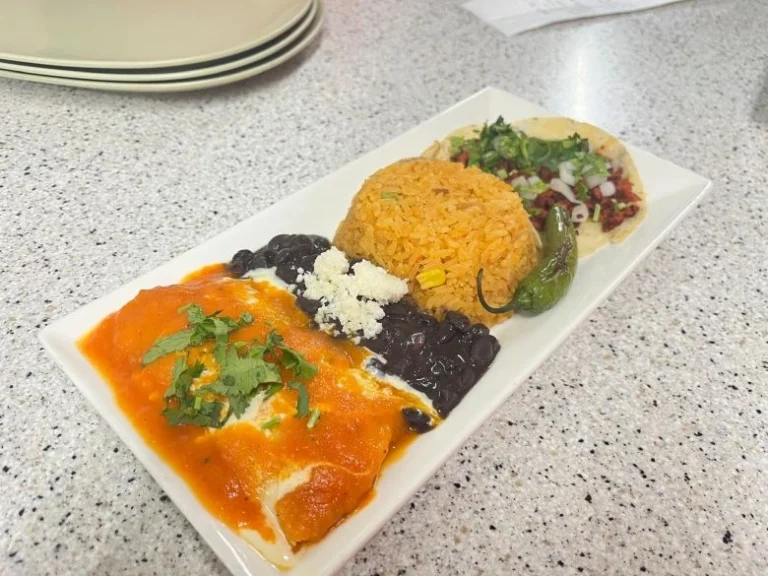 Lunch Special
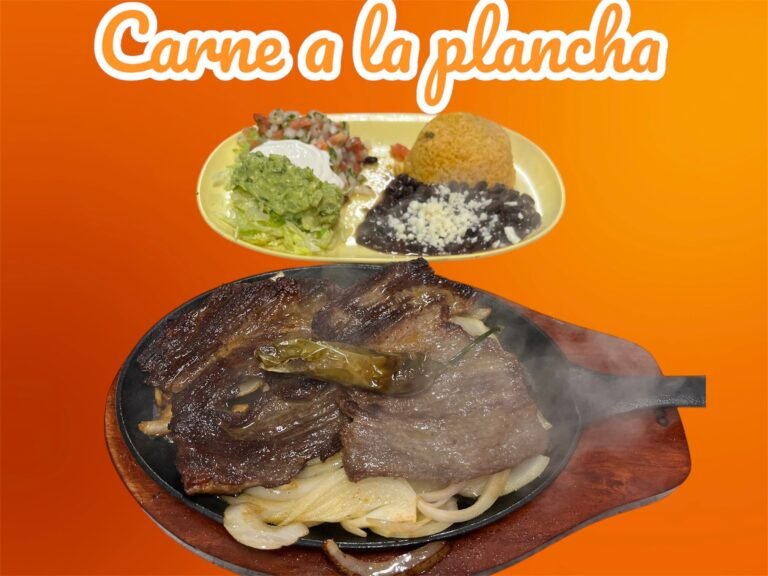 Featured
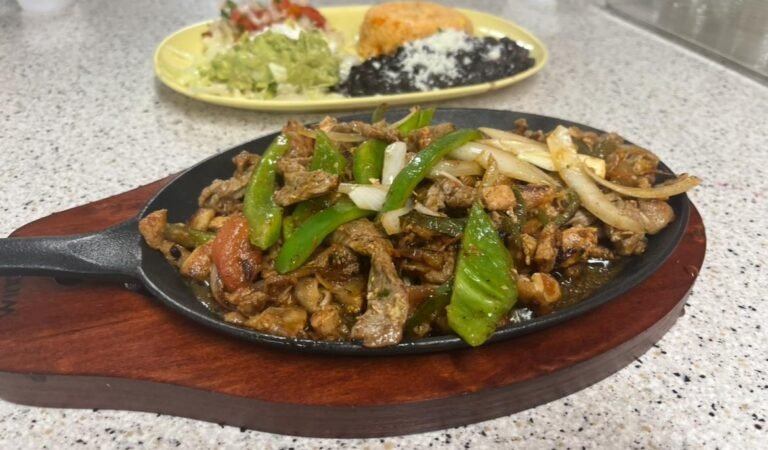 Popular