Aug 23, 2026
What Is “Comida Latina”? A Deep Dive Into Latin Food Culture
When someone says “comida latina,” they mean more than food. The phrase points to generations of tradition passed...
Read More
Latin American cuisine did not start in a restaurant kitchen. It started in cornfields, coastal villages, colonial convents and family homes across a continent, long before anyone wrote a recipe down. Every dish on this list carries a story about migration, trade, faith and survival.
This guide traces 10 of the most popular Latin American dishes back to their true roots, from pre-Hispanic Mexico to colonial Peru. Along the way, you will see where several of these dishes appear on the menu at Suy’s Mexican Restaurant in Tampa, Florida, made fresh every day.
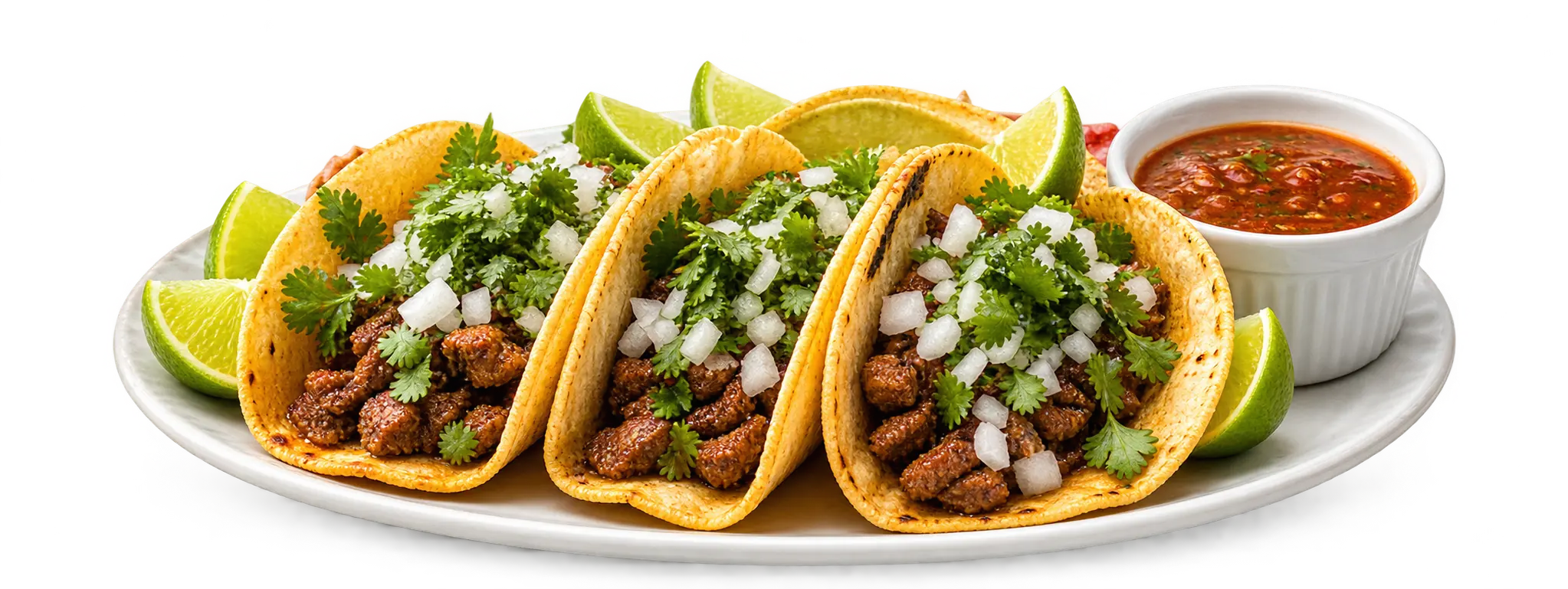
Tacos trace back to pre-Hispanic Mexico, where Aztec communities used soft tortillas as edible utensils long before Europeans arrived. In 2010, UNESCO recognized traditional Mexican cuisine as part of humanity’s Intangible Cultural Heritage, citing this deep pre-Hispanic foundation (Wikipedia, Mexican cuisine, 2010).
The word taco likely comes from the Nahuatl word tlaco, meaning “half” or “in the middle.” Indigenous cooks filled folded tortillas with fish, insects, vegetables and grilled meat. They were practical food, not fine dining. That practicality is exactly why the taco survived and spread across the world.
Today, tacos come in dozens of regional styles, from al pastor in central Mexico to fish tacos on the Baja coast. At Suy’s, the Tacos menu lets guests build their own version of this centuries-old tradition, and Taco Tuesday runs buy-two-get-one-free every week.
Birria began in Jalisco, Mexico, after Spanish colonists introduced goats to the region in the 16th century. Locals were often given the meat considered less desirable, so cooks developed slow braising and chili marinades to tenderize it. That resourceful technique became one of Mexico’s most celebrated dishes.
Traditional birria uses goat, though beef has become common outside Jalisco. The meat is slow-cooked in a rich chili and spice broth called consomme, then often stuffed into tortillas and griddled until the cheese melts, creating quesabirria.
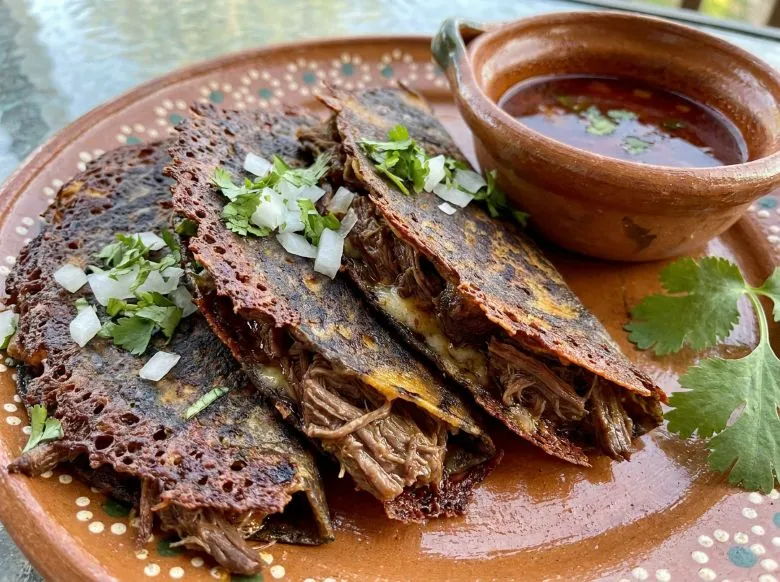
Birria only became a global sensation in the past decade, largely through social media, yet the dish itself has simmered in Jalisco kitchens for close to 500 years. That gap between quiet tradition and sudden fame is part of what makes it feel so special to first-time tasters. Guests can try Suy’s slow-braised birria tacos and quesabirria, voted Best Birria Tacos in Tampa by the local community in 2024.
Tamales date back an estimated 8,000 to 5,000 years, making them one of the oldest prepared foods in the Americas (Wikipedia, Tamale). Aztec and Maya civilizations relied on them as portable, long-lasting meals for travelers, hunters and soldiers.
Corn dough, called masa, is filled with meat, vegetables or sweet fillings, wrapped in a corn husk or banana leaf, then steamed. Archaeologists believe the tamale predates the tortilla itself, since it does not require a flat cooking surface like a comal.
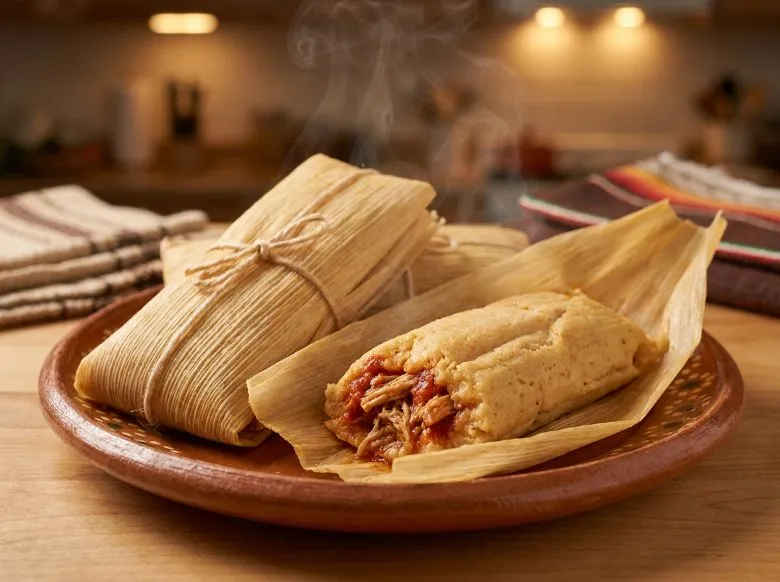
Tamales also carried religious weight. Aztec women prepared them for days before weddings, and one eight-year ritual honored the fire deity Ixcozauhqui with unseasoned tamales. Suy’s keeps that tradition alive with handmade chicken and pork tamales, steamed fresh in corn husks every day.
Ceviche traces back nearly 2,000 years to Peru’s northern coast, where the Moche civilization “cooked” fresh fish using acidic local fruit instead of citrus (Wikipedia, Ceviche). Spanish colonists later introduced limes, which became the defining ingredient of modern ceviche.
Before limes arrived, coastal Andean cooks marinated fish in fermented tumbo, a native passionfruit, along with chili and salt. Peru officially recognized this heritage, declaring June 28 as National Ceviche Day to honor the dish’s deep pre-Columbian roots.
Empanadas began in 7th century Galicia, a region in northwest Spain, not in Latin America itself (Wikipedia, Empanada). The name comes from the Spanish verb empanar, meaning “to coat in bread.”
Spanish and Portuguese colonists carried the dough-and-filling concept across the Atlantic, where every country reshaped it. Argentina developed beef and olive versions, Colombia added corn dough, and Chile filled theirs with onions, raisins and hard-boiled egg. The empanada shows how one imported idea can become dozens of distinct national dishes.
Arepas predate both modern countries, originating with Indigenous communities in the region now shared by Venezuela and Colombia long before European contact. Both nations claim the dish today, and food historians generally treat the rivalry as friendly rather than settled.
The corn cake was a staple long before the borders that now separate Venezuela and Colombia existed. Indigenous groups ground maize into dough, shaped it into flat cakes, and grilled it over open flame, a method still used in home kitchens today.
Mole poblano developed in colonial Puebla, Mexico, blending indigenous chili sauces called mulli with Spanish-introduced spices, nuts and chocolate. One popular legend credits a convent kitchen accident for the dish, though historians trace its roots further back to pre-Hispanic cooking.
The sauce can require more than 20 ingredients, including several types of dried chili, cinnamon, cloves and chocolate. It remains central to celebrations across Mexico, especially Dia de Muertos, where families still prepare it as an offering for departed relatives.
Churros are most closely associated with Spain, though food historians admit their exact origin remains unclear (Wikipedia, Churro). One theory ties the fried dough to Roman-era fritters; another suggests Portuguese sailors adapted a Chinese pastry technique.
Spanish shepherds are often credited with popularizing the simple fried dough, since it required only flour, water and hot oil over an open fire. Spanish and Portuguese colonists later brought churros to the Americas, where cinnamon sugar and chocolate dipping sauce became standard additions.
Flan actually began in ancient Rome as a savory egg dish, long before it became a Latin American dessert staple. The custard traveled through Spain, where sugar and caramel transformed it into something closer to what diners recognize today.
Spanish colonists brought flan to the Americas, and nearly every Latin American country now claims its own version. Coconut, cajeta and dulce de leche variations show how thoroughly the region made this Roman import its own.
Menudo is a traditional Mexican soup built around beef tripe simmered slowly in a deep red chili broth, with pre-Hispanic roots in nose-to-tail cooking traditions. Families have long served it on weekends and holidays, often as a comforting, warming meal.
The soup is traditionally served with white rice, warm tortillas and small bowls of chopped onion and cilantro on the side for guests to add themselves. Suy’s Mexican Restaurant serves its own version this way: beef tripe menudo with rice, tortillas, onion and cilantro served alongside, not blended in.
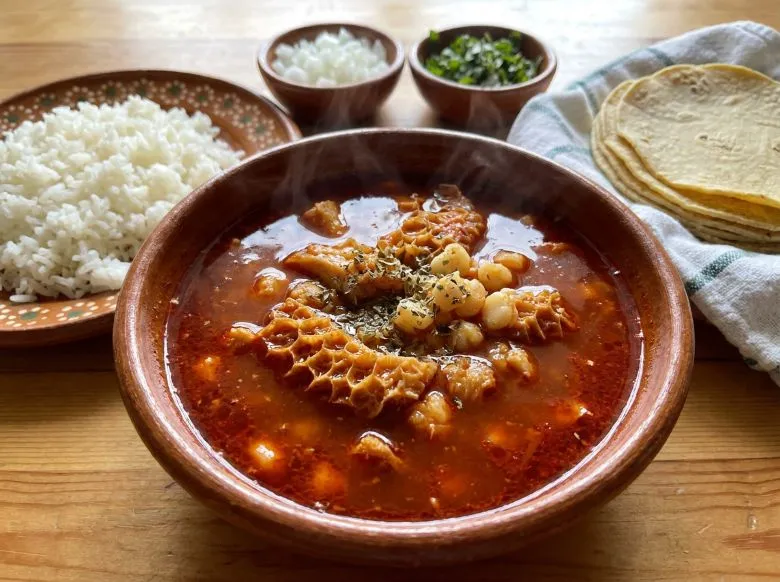
Suy’s does not serve pozole, a related but distinct Mexican soup made with hominy. Instead, the kitchen focuses on its beef soup with onion, cilantro, rice and tortillas on the side, plus its own menudo made with beef tripe rather than pork or hominy, served the traditional way with the fixings kept separate so every diner can season their own bowl.
Suy’s Mexican Restaurant on M.L.K. Boulevard in Tampa serves several of the dishes covered in this guide, made fresh daily by a family-owned kitchen. The restaurant holds a 4.9-star Google rating from more than 150 verified reviews and was voted Best Birria Tacos in Tampa by the local community in 2024.
The menu includes Tacos, Tamales, Birria Bowls, and the Tuesday-only Caldo de Res beef soup, all served with rice, tortillas and fresh onion and cilantro on the side. Every dish is made from scratch, with no shortcuts and no frozen substitutes.
Tacos are widely considered the most popular Latin American dish worldwide, with roots tracing back to pre-Hispanic Mexico. UNESCO recognized traditional Mexican cuisine, which includes tacos, as Intangible Cultural Heritage in 2010 (Wikipedia, Mexican cuisine).
Tacos originated in pre-Hispanic Mexico, where Aztec communities used soft tortillas to hold food instead of utensils. The tradition is thousands of years old and remains central to Mexican street food culture today.
Arepas predate both modern nations, originating with Indigenous groups who lived across the region now split between Venezuela and Colombia. Both countries have embraced arepas as a core part of national identity today.
Birria is the slow-braised meat and consomme broth itself, while quesabirria adds melted cheese inside a griddled, dipped tortilla. Both dishes share the same Jalisco-born braising method developed roughly 500 years ago.
Suy’s Mexican Restaurant on M.L.K. Boulevard in Tampa serves birria tacos, tamales, menudo and beef soup made fresh daily. The restaurant holds a 4.9-star Google rating from more than 150 verified customer reviews.
These 10 dishes show that Latin American food is not one single cuisine. It is a layered story built from indigenous corn traditions, Spanish colonial imports, and centuries of families adapting recipes to what was available. Tacos, tamales and menudo trace directly to pre-Hispanic Mexico, while empanadas, churros and flan arrived from Spain and were reshaped locally.
The next time a plate of birria tacos or a bowl of menudo lands on the table, it carries a little of Jalisco, a little of pre-Hispanic Mexico, and a little of every home cook who kept the recipe alive. Suy’s Mexican Restaurant in Tampa serves several of these dishes fresh every single day, made the same careful way families have made them for generations.
 Offer
Offer
 Lunch Special
 Featured
 Popular
Buy 2 Tacos, Get 1 FREE — any filling, all day long