Aug 3, 2026
Our Lunch Menu Guide: What to Order When You’re in a Hurry
The lunch rush hits fast. You might have only thirty minutes, and your stomach already feels empty. On...
Read More
If you have ever looked at a Mexican restaurant menu and wondered, what is a chimichanga and how is it different from a burrito — you are asking the right question. Both dishes use a flour tortilla packed with seasoned meat, beans, cheese, and rice. But the way each one is cooked, plated, and eaten is completely different. One is soft, quick, and handheld. The other is crispy, golden, and served with a fork.
People search for chimichanga vs burrito, chimichanga vs enchilada, what’s in a chimichanga, and chimichanga near me millions of times every year. This guide answers every one of those questions in one place — from the history of who invented the chimichanga to how to reheat one at home. And if you are in Tampa looking for the best chimichanga near you, we will tell you exactly where to go.
In 2026, IBISWorld reports there are over 52,300 Mexican restaurants operating in the United States. That number means competition is everywhere — and knowing what you are ordering before you sit down gives you a genuine advantage.
A chimichanga is a deep-fried burrito. That is the simplest, most accurate answer to what is a chimichanga — or as people often ask in Spanish, que es una chimichanga and que es chimichanga. You take a large flour tortilla, fill it with seasoned meat, cheese, beans, and rice, fold and wrap it exactly like a burrito, and then submerge it in hot oil until the outer shell turns golden, blistered, and crispy.
The result is a dish that looks like a burrito but eats like something entirely different. The exterior crackles. The inside stays moist and richly seasoned. Toppings like sour cream, guacamole, shredded cheese, and salsa go on top after frying rather than being folded inside, because they would burn in the oil.
A chimichanga is what happens when a burrito gets dropped into a deep fryer — and the result is so good that it became its own dish. If you want to taste exactly that, order the Chimichanga Special at Suy’s Mexican Restaurant in Tampa — deep-fried, cheesy, and made fresh daily at $18.
Many people ask what does a chimichanga look like before ordering one for the first time. Picture a large sealed burrito with a uniformly golden-brown, blistered outer shell. It sits flat on the plate rather than being held upright. The shell does not flex like a soft tortilla — it holds its shape and cracks slightly when you cut into it. The inside is packed and steaming. Toppings are piled on the exterior: a stripe of sour cream down the center, a spoonful of guacamole, shredded cheese, and fresh salsa or pico de gallo on the side.
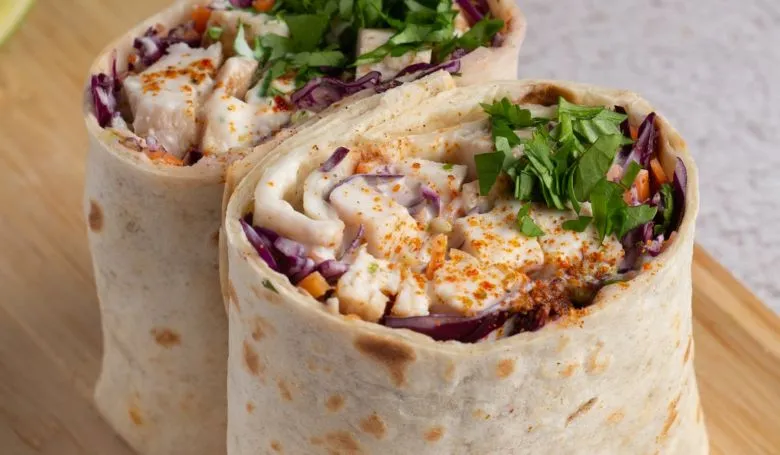
The visual difference from a burrito is immediately obvious. A burrito is cylindrical, smooth, and wrapped tight with the tortilla showing its natural pale color. A chimichanga is golden all over, slightly blistered, and plated as a sit-down dish rather than something you pick up and carry.
When people ask what is a chimichanga made of or what’s in a chimichanga, the answer is almost identical to what is inside a burrito. The protein is typically seasoned shredded beef, chicken, or shrimp. Spanish rice and refried beans add the starch. Shredded Monterey Jack, cheddar, or a Mexican cheese blend provides the dairy. Sauteed onion, garlic, cumin, chili powder, and fresh cilantro build the aromatics. The whole thing wraps in a large burrito-size flour tortilla — never corn.
A beef chimichanga uses seasoned ground or shredded beef braised with cumin, oregano, and dried chilis. A chicken chimichanga uses pulled spiced chicken breast or thigh. Some restaurants offer a shrimp chimichanga with sauteed seasoned shrimp. Specialty menus occasionally feature a cheesecake chimichanga as a dessert — a sweetened cream cheese filling in a fried tortilla dusted with cinnamon sugar.
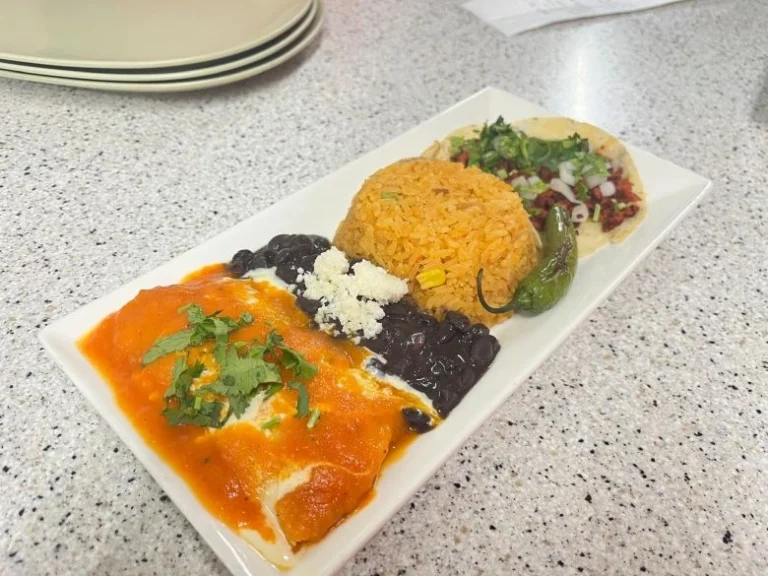
If you are not yet sure which to start with, the Burrito Lunch Especial at Suy’s gives you a burrito, taco, rice, and beans from just $12.50 — the perfect introduction before you move on to the chimichanga.
This is the most searched question about these two dishes, and it has a simple answer. What is the difference between a burrito and a chimichanga — or as people also phrase it, what’s the difference between a chimichanga and a burrito — comes down to one thing: the chimichanga is deep-fried and the burrito is not.
Both dishes start exactly the same way. A cook fills a large flour tortilla with seasoned meat, rice, beans, and cheese, then folds and rolls it into a sealed cylinder. At that point the burrito is finished — it goes straight to the plate and you eat it by hand. The chimichanga takes one more step. That same wrapped tortilla goes into hot oil at 375 degrees Fahrenheit and fries for two to three minutes per side until the shell is golden, blistered, and crispy.
That single extra step changes the texture completely, adds a toasted nutty flavor to the tortilla, and turns a handheld portable meal into a plated fork-and-knife dish. The toppings also move. In a burrito they are folded inside with the filling. In a chimichanga they go on top after frying, because sour cream and guacamole would burn or make the shell soggy inside the hot oil.
At Suy’s in Tampa, you can taste what is the difference between a chimichanga and a burrito side by side. Order a burrito here and order the Chimichanga Special here — or get the Lunch Especial from $12.50 for the burrito at the best value in Tampa.
The questions who invented the chimichanga and where was the chimichanga invented have one widely accepted answer: Tucson, Arizona, around 1922. The person credited is Monica Flin, founder of El Charro Cafe, one of the oldest continuously operating Mexican restaurants in the United States.
According to the story passed down and documented by food historians, Flin was working in her kitchen when a burrito accidentally fell into a vat of hot frying oil. She reportedly started to say a Spanish expletive before catching herself and substituting the word chimichanga — a nonsense word used in children’s songs and playful Spanish speech. The fried burrito came out golden and crackling. She served it. Her diners loved it. The chimichanga stayed on the menu permanently.
A second origin claim comes from Tucson’s Macayo’s Mexican Kitchen, which asserts they created the dish in the 1940s. Neither claim has been definitively settled. What is documented is that the chimichanga spread outward from Arizona into the broader American Southwest during the mid-20th century and became a staple of Tex-Mex menus across the country.
Is chimichanga Mexican? No — not in the traditional sense. The chimichanga is Tex-Mex, invented in the United States. The burrito it is based on has roots in northern Mexico, but the deep-frying technique is an American adaptation. You will rarely find chimichangas on menus in Mexico itself. A restaurant like Suy’s Mexican Restaurant in Tampa serves both the traditional and the Tex-Mex — which is exactly what a genuine Mexican-American kitchen looks like.
Knowing how to make a chimichanga at home helps you understand exactly what makes a restaurant version stand out. The steps are straightforward, but the quality of execution — especially the oil temperature and the filling seasoning — separates a great chimichanga from a mediocre one.
Step 1. Prepare the filling. Cook your protein — shredded beef, chicken chimichanga filling, or shrimp — with onion, garlic, cumin, chili powder, and salt. Let it cool slightly so steam does not make the tortilla wet.
Step 2. Warm the tortilla. Place a large flour tortilla on a hot comal or dry skillet for 20 seconds per side. A warm tortilla folds without cracking.
Step 3. Fill and fold. Lay the filling in a line down the center, leaving two inches clear at each end. Fold the ends in first, then roll the sides tightly over the filling. Secure with a toothpick if needed.
Step 4. Heat the oil. Fill a deep skillet with about 2 inches of neutral oil — vegetable or canola. Heat to 375 degrees Fahrenheit. Use a thermometer. Too cool gives a greasy shell. Too hot burns it.
Step 5. Fry seam-side down first. Lower the wrapped tortilla gently into the oil. Fry for 2 to 3 minutes per side until uniformly golden. Turn carefully with tongs.
Step 6. Drain and plate. Transfer to a paper towel-lined plate for 60 seconds. Plate seam-side down. Add sour cream, shredded cheese, guacamole, and salsa on top.
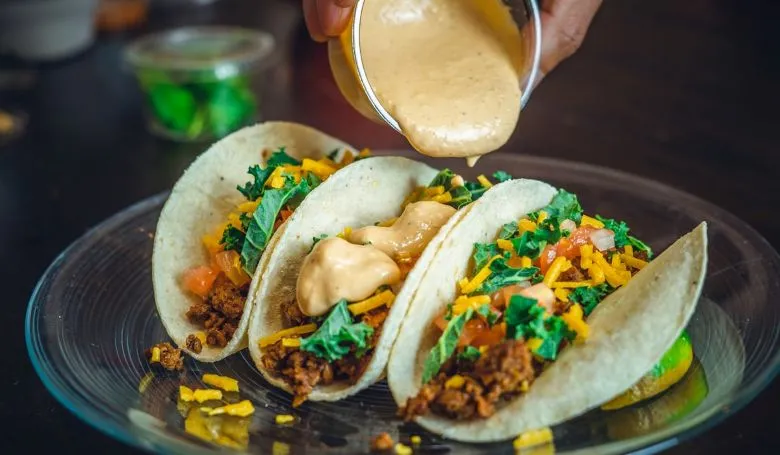
A frozen chimichanga from the supermarket skips all those steps and substitutes a pre-made filling of variable quality. At Suy’s Mexican Restaurant, every chimichanga is prepared fresh to order with real seasoned proteins — that is a fundamentally different product from anything frozen.
People ask how do you reheat a chimichanga all the time, and the answer matters more than most people expect. Microwaving a leftover chimichanga destroys the crispy shell and leaves you with a soft, steam-wilted tortilla. The correct methods are simple.
The oven method gives the best result. Preheat to 375 degrees Fahrenheit, place the chimichanga on a wire rack over a baking sheet, and heat for 10 to 12 minutes until the shell is crispy again.
The air fryer method is the fastest. Set it to 375 degrees for 6 to 8 minutes. Produces excellent crunch with minimal oil and is ready faster than the oven.
The skillet method works for a single chimichanga with no oven needed. Use medium-high heat with a small amount of oil and turn every 2 minutes until all sides are crispy again.
Always remove cold toppings like sour cream and guacamole before reheating and add them fresh after — they become watery and unpleasant when heated. Or skip the reheating entirely and order one made fresh today at Suy’s.
According to National Institutes of Health dietary data from 2024, adults who eat Mexican food on any given day consume an average of 752 calories from that meal. Understanding the caloric and textural difference between a burrito and chimichanga helps you make a deliberate choice rather than a guess.
The tortilla is the same in both dishes — a large flour tortilla. In a burrito it stays soft. In a chimichanga it gets deep-fried until golden and crispy at 350 to 375 degrees Fahrenheit.
The texture could not be more different. A burrito is soft, pliable, and chewy throughout. A chimichanga has a crunchy, crackling outer shell with a moist, tender, steaming interior that bursts with flavor when you cut into it.
The toppings behave differently in each dish. In a burrito, everything — sour cream, guacamole, salsa — gets folded inside the wrap. In a chimichanga, toppings go on top after frying because wet ingredients inside would burn in the oil or prevent the shell from crisping.
The calorie difference is modest. A chicken burrito averages about 600 calories. A chicken chimichanga averages about 675 calories (weightlossresources.co.uk, 2024). The extra calories come from the oil absorbed during frying — a small price for a dramatically different experience.
The origin sets them apart culturally. The burrito comes from northern Mexico — the states of Chihuahua and Sonora — and is a piece of traditional Mexican cuisine. The chimichanga was invented in Tucson, Arizona around 1922 and is firmly Tex-Mex.
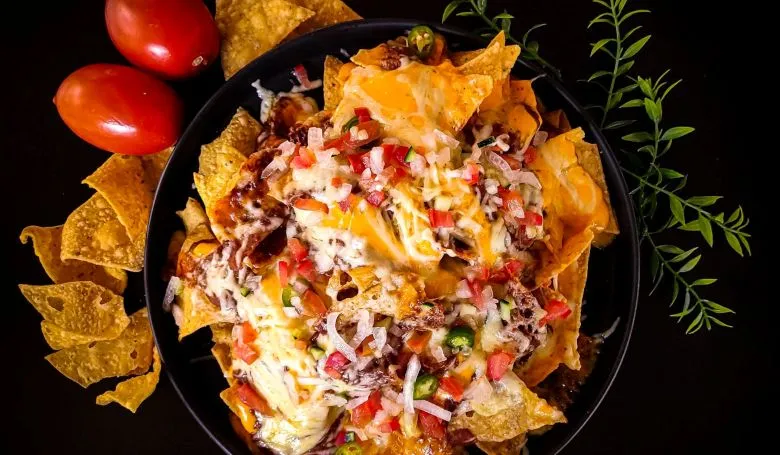
At Suy’s in Tampa, try both side by side: burrito here, Chimichanga Special here, or the Lunch Especial from $12.50.
The question chimichanga vs enchilada comes up because both dishes appear on Mexican restaurant menus side by side. They are not closely related. The differences go all the way down to the type of tortilla used.
A chimichanga uses a flour tortilla that is folded and deep-fried. An enchilada uses a small corn tortilla that is rolled — not folded — and then completely covered in red or green chili sauce and baked in an oven.
The sauce is the defining feature that separates them. A chimichanga has no sauce on its surface at all — the crispy, dry shell is the entire point, and toppings go on top after frying. An enchilada is always submerged in sauce. The word enchilada comes from the Spanish verb enchilar, meaning to season with chili, and the sauce is central to the dish’s identity.
The texture could not be more opposite. A chimichanga crackles when you cut into it. An enchilada is soft, tender, and sauce-saturated throughout. You always eat an enchilada with a fork because it is too saucy to handle. You eat a chimichanga with a fork and knife because the hot crispy shell makes it a plated dish.
Think of the three dishes on a spectrum. The burrito is the original — soft, wrapped, portable, no frying, no sauce. The chimichanga takes the burrito and fries it, adding texture and richer flavor. The enchilada is the most different of the three — a smaller corn tortilla, rolled rather than folded, then completely baked in sauce. See the full Suy’s menu for all options.
In 2025, the Mexican food market was projected to grow by USD 124.80 billion through 2030 at a compound annual growth rate of 6.5 percent (Technavio, Mexican Food Market Growth Analysis, 2026). Part of that growth is driven by the expansion of variety — more proteins, more preparations, more regional adaptations of classic dishes like the chimichanga.
The beef chimichanga is the most classic version. Seasoned shredded beef — braised with cumin, oregano, garlic, and dried chilis — fills the tortilla before frying. The richness of the beef pairs perfectly with the crunch of the fried shell. It is the version most people picture when they ask what is a chimichanga. Order the Chimichanga Special at Suy’s in Tampa and taste the difference fresh ingredients make.
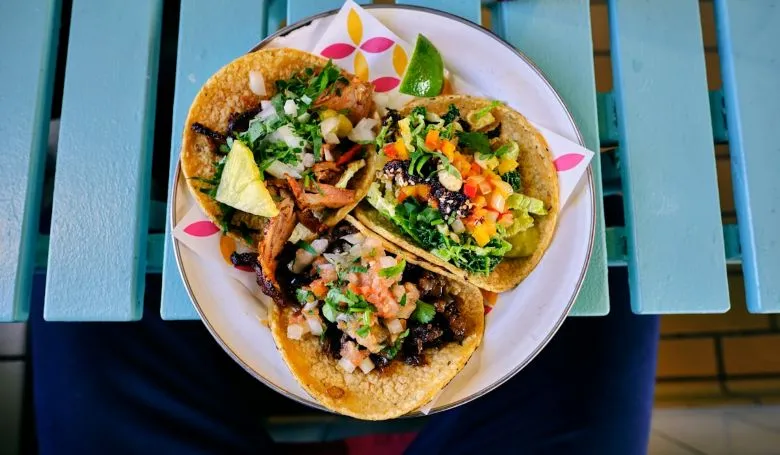
A chicken chimichanga uses shredded or pulled chicken seasoned with cumin, chili powder, onion, and garlic. It is lighter in richness than the beef version and a popular choice for diners who want the full chimichanga experience with a leaner protein. The chicken chimichanga recipe in most kitchens includes a small amount of salsa or enchilada sauce cooked into the filling before wrapping. Try the Chimichanga Special at Suy’s — available with your choice of protein.
A shrimp chimichanga uses seasoned sauteed shrimp — often with bell peppers, onion, garlic, and a light chili lime seasoning. The cooking time is shorter than beef or chicken and the flavor is cleaner and slightly brighter. It is a popular option on coastal Mexican menus and is increasingly available inland as the dish grows in popularity.
The cheesecake chimichanga is a dessert variation. A sweetened cream cheese filling — sometimes with fresh strawberries, blueberries, or dulce de leche — is wrapped in a flour tortilla and fried until golden. It is finished with cinnamon sugar, powdered sugar, or a drizzle of chocolate or caramel. After your chimichanga dinner at Suy’s, finish the meal with Fried Ice Cream at $6.50 or house-made Churros at $6.50.
One of the most common questions people ask is is chimichanga Mexican. The honest answer is no — not in the traditional sense. The chimichanga is Tex-Mex, a hybrid cuisine born from the blending of Mexican cooking traditions with American ingredients, techniques, and tastes in the southwestern United States.
Traditional Mexican cuisine, recognized by UNESCO as an Intangible Cultural Heritage, centers on corn-based preparations — tortillas, tamales, tlayudas — and complex sauces like mole, adobo, and pipian. Deep-frying a flour tortilla filled with rice and beans is not a technique from that culinary tradition. It is an American kitchen innovation that happened to produce an iconic dish.
This distinction matters when you are choosing a restaurant. A kitchen that calls itself authentic and serves only chimichangas and nachos is not offering traditional Mexican food — it is offering Tex-Mex. A restaurant like Suy’s Mexican Restaurant in Tampa serves both. The handmade Tamales at $5.00 each, the Caldo de Res beef soup, and the Menudo represent the traditional side. The Chimichanga Special at $18 represents the Tex-Mex side. That range is what a genuine Mexican-American kitchen looks like.
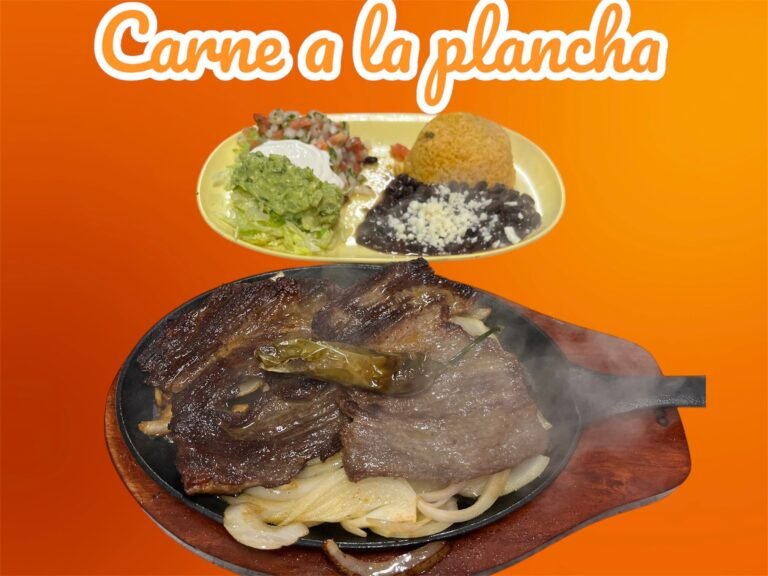
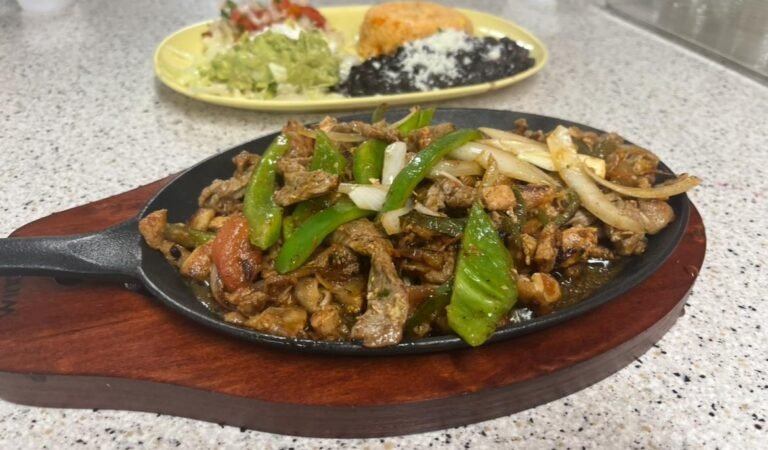
You can also explore other dishes at Suy’s: the Crispy Chicken Flautas at $11.99, the Carne A La Plancha at $18, the Steak Fajitas at $18, and the Huaraches — a traditional oval masa base with beans, meat, cheese, and fresh toppings.
If you are searching for a chimichanga near me in Tampa, Florida, the answer depends on what you value. A frozen chimichanga reheated from a chain restaurant is technically a chimichanga, but it is not the same experience as one made fresh to order from real ingredients. The difference in texture, filling quality, and flavor is not subtle.
Suy’s Mexican Restaurant on M.L.K. Blvd in Tampa serves the Chimichanga Special at $18 — deep-fried to order, stuffed with seasoned filling, and finished with fresh toppings. It is one of the most-ordered items on the menu. The restaurant holds a 4.9-star rating on Google from more than 150 verified diners. Open daily from 11 am to 9 pm. Dine in, take out, or order online.
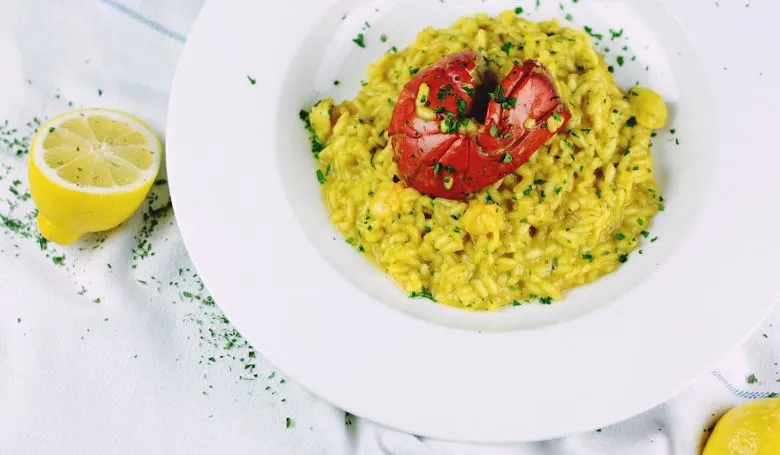
The chimichanga pairs well with Suy’s house soups — both made from scratch with no frozen shortcuts. The Caldo de Res is a slow-simmered beef soup served with fresh white onions, chopped cilantro, rice, and warm corn tortillas. The broth is rich and deeply savory. It pairs beautifully alongside the chimichanga — the clean light soup balances the richness of the fried dish. Available every Tuesday all day at $16.00.
The Menudo is made with cow belly cooked until tender in a seasoned red broth, served with fresh onions, cilantro, rice, and tortillas. Menudo is one of the most traditional soups in Mexican cooking — served on weekends and special occasions at Suy’s. Suy’s does not serve pozole. The soup menu is intentionally narrow — two dishes done correctly rather than ten done inconsistently.
Beyond the soups, the full Suy’s menu has something for every appetite. Tacos from $3.50 — with Taco Tuesday buy 2 get 1 free every Tuesday. Tortas at $14.99. Aguas Frescas at $5.50 — horchata, hibiscus, and seasonal flavors. Bebidas from $3.00 including Mexican Coke and Café de Olla. View the complete menu at Suy’s here.
Pew Research Center found in 2024 that 11 percent of all U.S. restaurants serve Mexican food. With that much choice on every block, repeat customers are the clearest signal of genuine quality. Suy’s Mexican Restaurant has served over 1,000 happy customers monthly since opening in 2024 and earned a 4.9-star Google rating from over 150 verified reviews.
The restaurant was recognized as Best Birria Tacos in Tampa by community vote in 2024 and holds Yelp’s Best Lunch Especial Value for 2024 through 2026. The Chimichanga Special is a consistent driver of return visits. The lunch special — burrito, taco, rice, and beans for $12.50 — draws diners who cite the value as unmatched in Tampa.
Taco Tuesday at Suy’s runs every Tuesday all day. Buy 2 tacos, get 1 free, any mix and match. Ready to visit? Get directions and plan your trip here.
Understanding the chimichanga and burrito is a solid foundation. Knowing how they connect to other dishes on a Mexican restaurant menu makes you a more confident diner.
A taco uses a smaller corn or flour tortilla, folded loosely around its filling — a two-bite item eaten immediately. A burrito uses a much larger flour tortilla, sealed on all sides and rolled tight. A chimichanga takes that sealed burrito and fries it. Three points on the same line: taco, then burrito, then chimichanga.
A tamale uses masa — corn dough — rather than a flour tortilla, wrapped in corn husk and steamed. No frying. No flour. Tamales are one of the oldest dishes in Mexican cooking. At Suy’s, handmade Tamales — chicken and pork — are $5.00 each.
A flauta is a rolled corn tortilla filled with meat, then deep-fried into a thin crispy tube. It involves deep-frying like a chimichanga — but it is much smaller, uses corn not flour, and is eaten as finger food. At Suy’s, crispy chicken flautas are $11.99.
A chimichanga is a deep-fried burrito. A large flour tortilla is filled with seasoned meat — beef, chicken, or shrimp — cheese, rice, and beans, then folded tightly and submerged in hot oil until the shell is golden and crispy. It is a staple of Tex-Mex cuisine invented in Tucson, Arizona around 1922. Order one fresh at Suy’s Mexican Restaurant in Tampa.
The difference is one cooking step. A burrito is a flour tortilla wrapped around fillings — no frying, soft, eaten by hand. A chimichanga is the same wrapped tortilla placed into oil heated to 375 degrees and fried until golden and crispy. The frying adds a crunchy shell and a toasted nutty flavor the burrito cannot replicate. A chicken chimichanga averages about 675 calories versus about 600 for a chicken burrito (weightlossresources.co.uk, 2024).
Same answer approached from the other direction. A chimichanga is what a burrito becomes after it is deep-fried. The filling, the tortilla, and the size are the same. The cooking method is entirely different. The chimichanga gains a crispy golden shell, a richer toasted flavor, and moves from a handheld street-food format to a plated restaurant dish. Try both at Suy’s: burrito and chimichanga.
A chimichanga contains seasoned protein — shredded beef, chicken, or shrimp — Spanish rice, refried beans, and shredded cheese, all wrapped in a large flour tortilla and deep-fried until crispy. Toppings like sour cream, guacamole, pico de gallo, and shredded cheese are added on top after frying. The filling is almost identical to a burrito — the shell is what makes it different. See exactly what goes into the Chimichanga Special at Suy’s.
Una chimichanga es un burrito frito. Se toma una tortilla grande de harina, se rellena con carne condimentada, arroz, frijoles y queso, se dobla bien y se frÃe en aceite caliente hasta que la capa exterior queda dorada y crujiente. Es un plato tex-mex que se originó en Tucson, Arizona alrededor de 1922. En Tampa, Florida, puedes ordenar el Chimichanga Special en Suy’s Mexican Restaurant por $18.
A burrito is served soft and fresh from the griddle — wrapped tight, eaten by hand, with toppings folded inside. A chimichanga starts as that same burrito but gets lowered into hot oil and fried until the outer tortilla shell turns golden, crispy, and blistered. One extra step, completely different eating experience. The Lunch Especial at Suy’s lets you try the burrito from $12.50, and the Chimichanga Special shows you exactly what happens when that burrito meets a deep fryer.
The chimichanga is a fried version of the burrito. Same filling. Same flour tortilla. The difference is the chimichanga goes into hot oil at 375 degrees Fahrenheit for 2 to 3 minutes per side, creating a crispy golden shell that crackles when you cut into it. A burrito never sees the fryer — it stays soft and is served and eaten immediately after rolling.
Monica Flin, owner of El Charro Cafe in Tucson, Arizona, is credited with inventing the chimichanga around 1922. She accidentally dropped a burrito into a deep fryer. The golden crispy result was so popular that it became a permanent menu item and spread across the American Southwest and into Tex-Mex cuisine nationwide.
The chimichanga was invented in Tucson, Arizona, United States, around 1922 — at El Charro Cafe according to the most widely accepted account. It is a Tex-Mex dish, not traditional Mexican, and you will rarely find it on menus in Mexico itself. It spread from Arizona across the American Southwest before becoming a staple of Mexican-American restaurant menus throughout the country.
No — not in the traditional sense. The chimichanga is Tex-Mex, invented in the United States in Arizona around 1922. The burrito it is based on has roots in northern Mexico, but deep-frying the burrito is an American kitchen innovation. Traditional Mexican cuisine, recognized by UNESCO, centers on corn-based dishes and complex sauces — not deep-fried flour tortillas. Learn more about Suy’s approach to authentic and Tex-Mex Mexican cooking.
The best way to reheat a chimichanga and keep it crispy is to use an oven at 375 degrees for 10 to 12 minutes, or an air fryer at 375 degrees for 6 to 8 minutes. Avoid the microwave — it makes the shell soft and soggy. Remove cold toppings before reheating and add them fresh after. Or order a fresh one from Suy’s today and skip the leftovers problem entirely.
A chimichanga is made of a large flour tortilla filled with seasoned shredded beef, chicken, or shrimp, Spanish rice, refried beans, and shredded cheese. The filled tortilla is folded tight and deep-fried at 375 degrees Fahrenheit until the outer shell is golden and crispy. Toppings — sour cream, guacamole, shredded cheese, and salsa — are added on top after frying. See the Chimichanga Special at Suy’s Mexican Restaurant in Tampa.
Suy’s Mexican Restaurant on M.L.K. Blvd in Tampa serves the Chimichanga Special — deep-fried to order, stuffed with fresh seasoned filling, and finished with sour cream, cheese, guacamole, and salsa — at $18. Open daily 11 am to 9 pm. Dine in, take out, or order online. Rated 4.9 stars on Google from 150 plus verified diners. Get directions here.
 Offer
Offer
 Lunch Special
 Featured
 Popular
Buy 2 Tacos, Get 1 FREE — any filling, all day long